Hot Water Heater Installation: A Comprehensive Overview
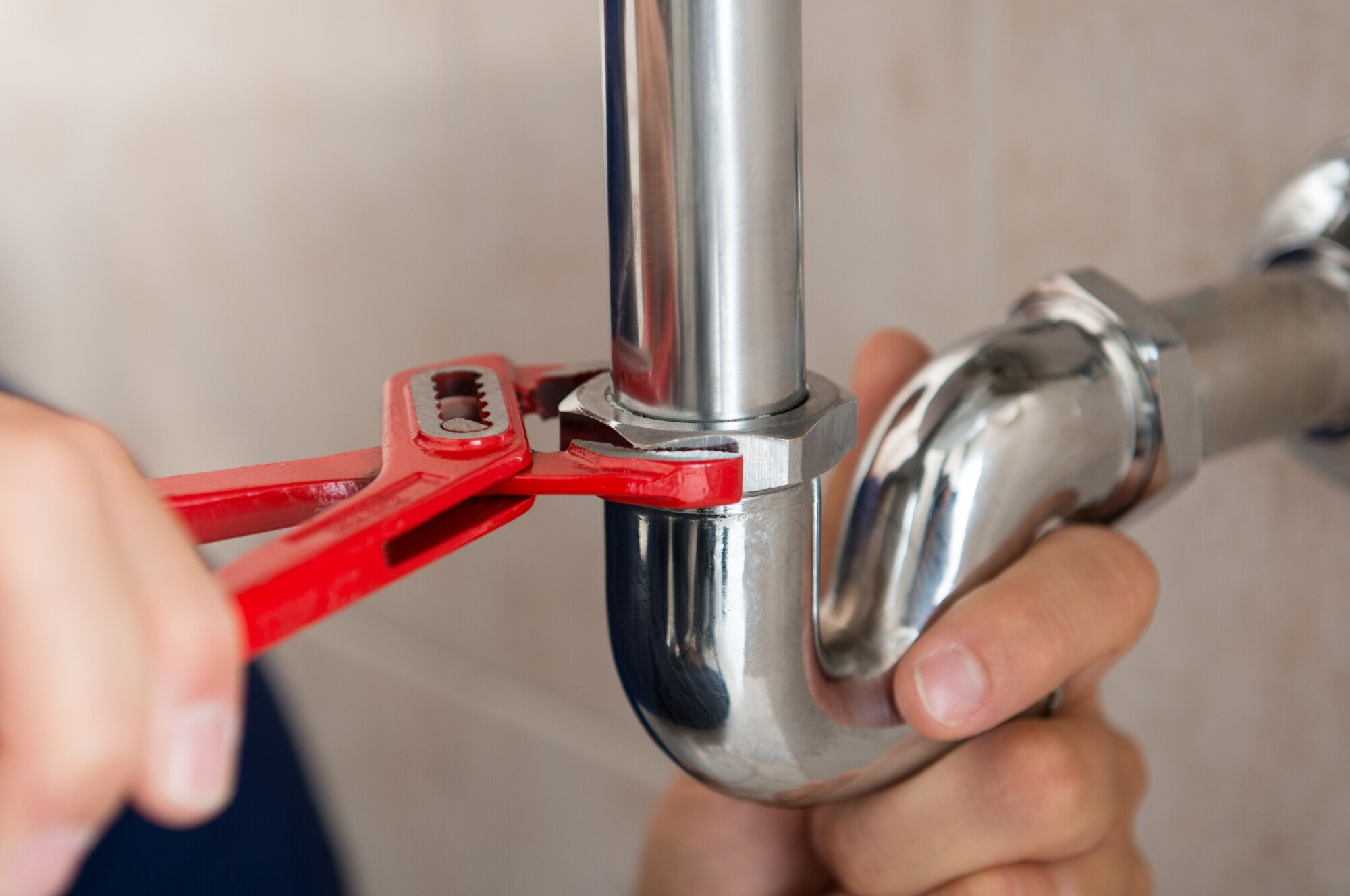
Installing a water heater can seem challenging, but with the appropriate understanding and prep work, it can be a simple do it yourself job or a simple job for a specialist plumbing professional. This overview will certainly walk you through the crucial steps, considerations, and ideas for an effective water heater setup. Whether you're replacing an old device or setting up a brand-new one, understanding the process can aid guarantee that you make notified choices and take pleasure in a reliable source of hot water.
Prior to you start the installation procedure, it's vital to pick the right sort of hot water heater from Hudson Water Heater Installation provider for your demands. Both major types are tank-style and tankless water heaters. Tank-style heaters store and heat a specific quantity of water, usually varying from 20 to 80 gallons, which is readily available for immediate use. In contrast, tankless systems heat water on demand and can supply an unlimited supply of warm water without the need for a tank. Consider elements such as family dimension, use patterns, power efficiency, and available room when making your selection.
When you have actually chosen your hot water heater, the next action is to collect the necessary devices and products. Typical devices called for include a monkey wrench, screwdriver, and flexible wrench. In addition, you'll need pipes materials such as pipes, installations, and potentially a brand-new air vent kit, depending on the kind of heating system you are setting up. Safety equipment, including gloves and goggles, is also essential to secure on your own throughout the installment procedure. Prior to beginning, guarantee you have a clear understanding of neighborhood building regulations and policies concerning water heater setups.
As you plan for the setup, bear in mind to shut off the power supply and the cold water inlet to the existing water heater. If you're replacing an old device, drain it completely by attaching a tube to the drainpipe shutoff and permitting the water to drain. Remove the old hot water heater, taking care to detach any kind of electric or gas links securely. After removing the old device, set up the new hot water heater by complying with the producer's directions meticulously. Connect the water lines, drainpipe valve, and any kind of needed venting or electric connections, making sure everything is safe and leak-free.
As soon as the installment is full, fill up the storage tank with water and turn the power supply back on, enabling the hot water heater to warm up. Check for leakages around the links and vents, and guarantee every little thing is working appropriately. Normal upkeep, such as purging the tank every year and inspecting the anode pole, can assist extend the life of your hot water heater and maintain its efficiency. By complying with these standards, you'll be well on your way to enjoying reputable warm water in your house.
Finally, an effective Water Softeners installment calls for careful planning, the ideal materials, and a basic understanding of plumbing. Whether you opt for a do it yourself technique or work with a professional, making certain proper setup will not just provide you with immediate warm water accessibility yet will also save you from possible problems down the line. By making the effort to enlighten yourself on the setup procedure, you can make the experience smooth and satisfying.
To find out more about this topic, visit https://en.wikipedia.org/wiki/Plumbing.
